
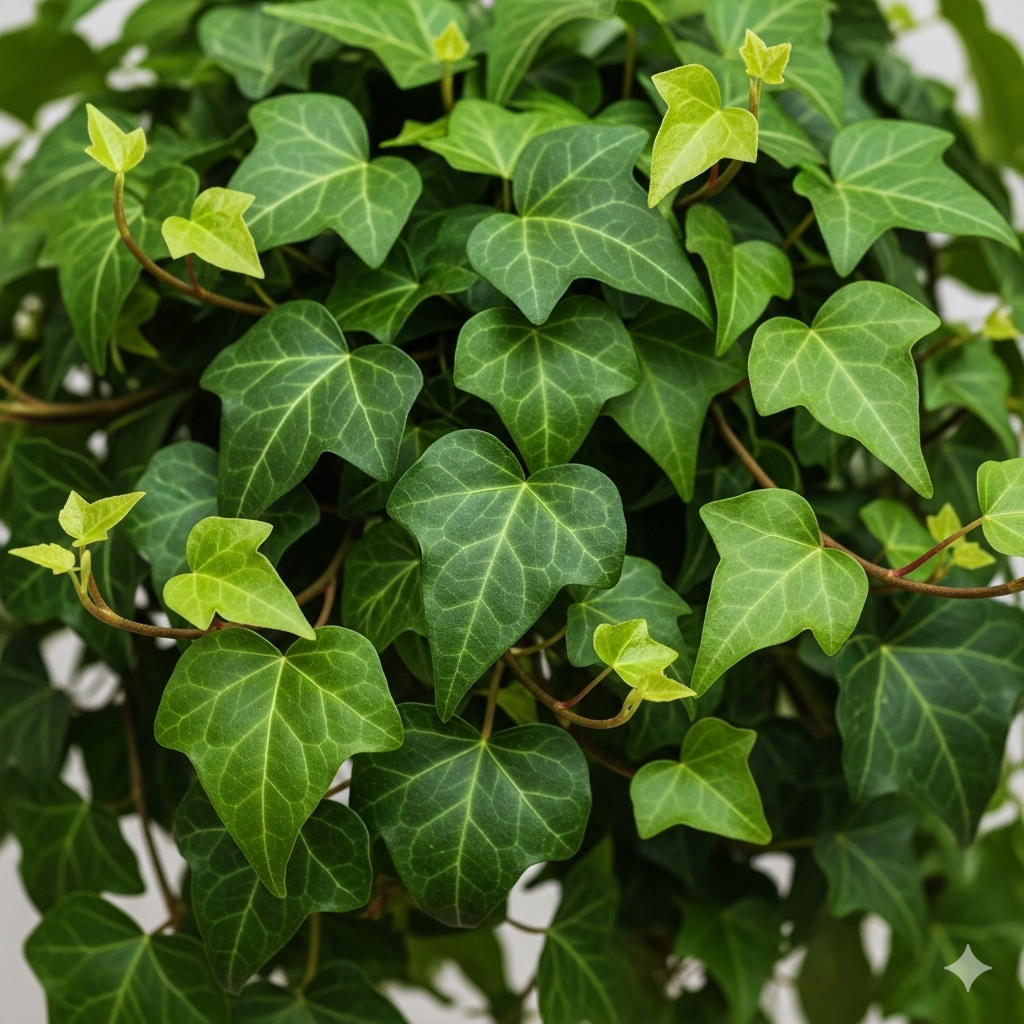
English ivy (Hedera helix) is a timeless plant known for its elegant trailing vines and lush, green foliage. Often used as a decorative indoor plant or as ground cover outdoors, it brings charm and natural beauty to almost any environment. Despite its popularity, many beginners struggle with one essential question: how much sunlight does English ivy really need?
While English ivy is hardy and adaptable, its light requirements play a key role in how well it grows. Understanding its natural preferences and adjusting them for indoor or outdoor spaces ensures healthy vines and vibrant leaves.
Natural Habitat and Light Preferences
English ivy originates from Europe and Western Asia, where it grows in woodlands, climbing up trees and walls. In nature, it thrives in partial to full shade, receiving dappled sunlight filtered through taller trees. This background explains why it is not a sun-loving plant like many succulents or flowering species. Instead, it does best with indirect light or gentle exposure to the sun.
For beginners, the important takeaway is that English ivy is versatile. It can tolerate different light levels, but it will not do well in harsh, direct sunlight for extended periods.
Can English Ivy Grow in Sunlight?
Yes, English ivy can grow in sunlight, but it prefers filtered or partial exposure rather than full, intense sun. Outdoors, it can adapt to various conditions, but in hot climates, direct afternoon sun often burns its leaves. Indoors, too much direct light can lead to crispy edges and faded foliage.
For best results, aim for bright, indirect light. A few hours of soft morning or late-afternoon sun is fine, but avoid the harsh midday rays that can damage the leaves.
Can English Ivy Survive in Low Light?
English ivy is well-known for tolerating low-light conditions, which makes it popular for homes and offices. In shady corners, it will continue to survive, though growth may slow down. Leaves may also become darker green, as the plant produces more chlorophyll to make the most of limited light.
However, variegated varieties—those with white or yellow patterns on the leaves—often lose their markings in very dim light, turning more solid green. If you want to maintain the attractive variegation, some level of brighter, indirect light is necessary.
Best Indoor Spots for English Ivy
When grown indoors, placement is everything. Here are some beginner-friendly tips for choosing the right spot:
-
Near windows with filtered light: East- or north-facing windows are excellent, offering consistent brightness without harsh rays.
-
A few feet from bright windows: South- and west-facing windows can also work if the plant is kept slightly away or shielded by sheer curtains.
-
Avoid dark corners completely: While English ivy can handle low light, it still needs some brightness to stay healthy over the long term.
Signs of Improper Lighting
English ivy often gives clear signals when its light needs aren’t being met. Watch for these signs:
-
Too little light: Slow growth, smaller leaves, loss of variegation, or leggy vines stretching toward the nearest window.
-
Too much light: Brown or crispy leaf edges, faded patches, or scorched leaves.
-
Balanced light: Lush, vibrant foliage with steady, compact growth.
By observing these signs early, you can adjust its placement and prevent long-term damage.
Using Artificial Light for English Ivy
If your indoor space lacks natural sunlight, artificial lighting can help. English ivy adapts well to fluorescent and LED grow lights, which mimic natural brightness. Place the light about 12–18 inches above the plant, and keep it on for 10–12 hours a day. This setup works particularly well in offices or rooms without windows, ensuring the plant still receives the energy it needs for photosynthesis.
Seasonal Adjustments
Lighting conditions indoors and outdoors change with the seasons. In winter, shorter days may mean your ivy receives less light. Consider moving it closer to a window or supplementing with a grow light. In summer, watch for overly intense sun, especially if the plant is outdoors or near a hot, south-facing window. Adjusting with curtains or shifting its placement ensures the plant stays comfortable year-round.
Extra Care Tips for Light Management
Light is essential, but it works alongside other care practices to keep your ivy healthy. Beginners should keep these tips in mind:
-
Rotate the plant: Turn the pot every couple of weeks to promote even growth on all sides.
-
Clean the leaves: Dust can block light absorption, so wipe the leaves with a soft, damp cloth.
-
Pair with proper watering: Plants in brighter spots use more water, while those in shade need less. Always allow the top layer of soil to dry before watering again.
-
Watch the vines: English ivy grows quickly in the right conditions. Prune back if it becomes too leggy or to encourage bushier growth.
Conclusion
English ivy is a versatile and forgiving plant, making it an excellent choice for beginners. While it can adapt to a wide range of lighting conditions, it thrives best in bright, indirect light that mimics the dappled sunlight of its woodland origins. It can survive in low-light spaces but may grow more slowly and lose some variegation. With the right balance of filtered sunlight or artificial lighting, your English ivy will reward you with lush, trailing vines that bring beauty and greenery to any indoor or outdoor space.