
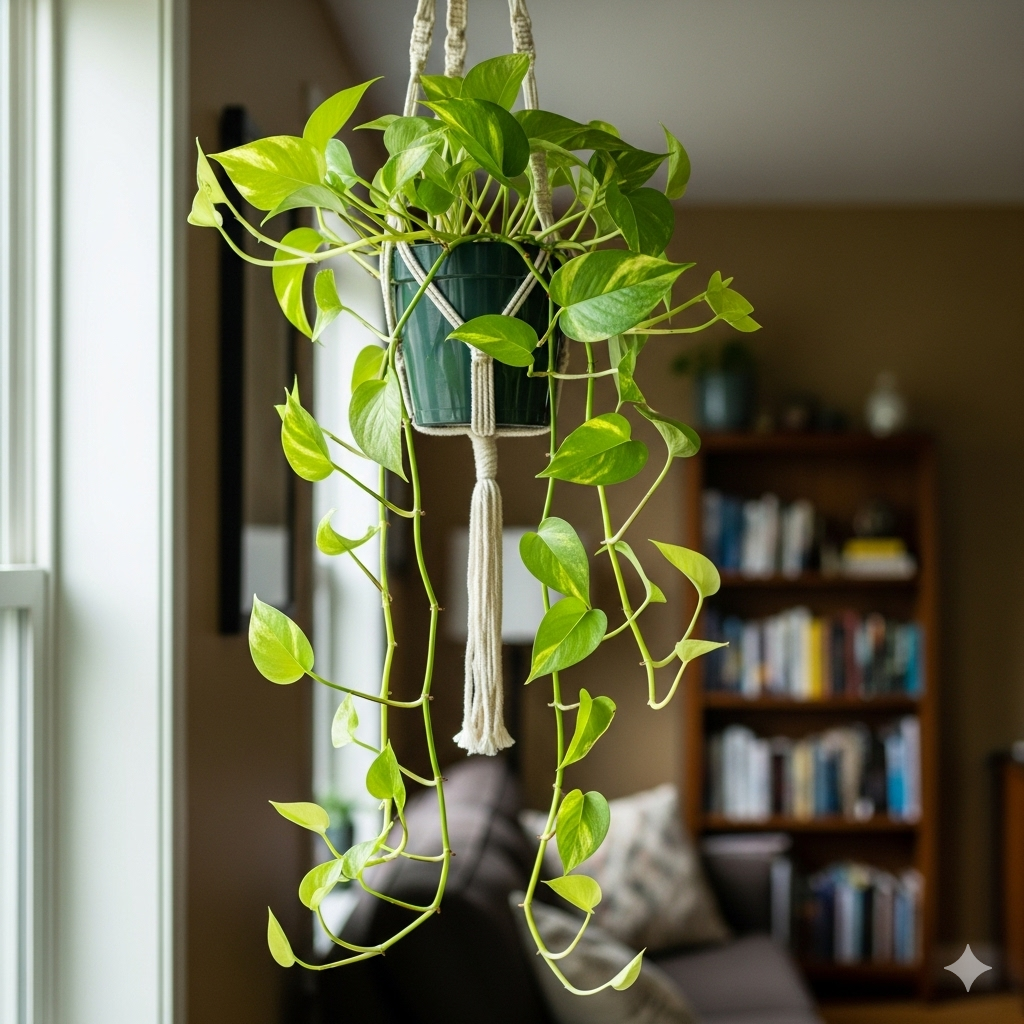
Pothos plants (Epipremnum aureum), often called devil’s ivy, are among the easiest and most rewarding houseplants to grow. Their cascading vines and heart-shaped leaves make them a favorite choice for hanging baskets, shelves, and decorative containers. Pothos are hardy and adaptable, but one of the most important factors in keeping them lush and healthy is choosing the right sunlight spot. While these plants are forgiving, understanding their light preferences can make all the difference in how vibrant and fast-growing they become.
Why Sunlight Matters for Pothos
Like all plants, pothos rely on light for photosynthesis, the process that fuels growth and keeps their leaves green and glossy. While pothos are well-known for their ability to survive in less-than-ideal conditions, they do have a “sweet spot” when it comes to lighting. Too little light can result in dull, sparse growth, while too much direct sun can damage their delicate foliage. Striking the right balance ensures your hanging pothos not only survives but thrives.
The Ideal Light for Pothos
Pothos plants prefer bright, indirect light. This mimics their natural habitat, where they grow under the canopy of larger trees in tropical forests. In the home, an east- or north-facing window is often the best location, as the sunlight is gentle and filtered. A south- or west-facing window can also work if the plant is placed a few feet back or protected with a sheer curtain to soften the intensity.
When positioned in the right spot, pothos produce fuller vines and more vibrant leaves. Variegated varieties, such as golden pothos or marble queen pothos, especially benefit from bright, indirect light, which helps maintain their striking patterns. Without enough light, the variegation may fade, and leaves can revert to plain green.
Can Pothos Tolerate Low Light?
One of the reasons pothos are so popular is their ability to adapt to low-light conditions. They are often used to brighten up offices, bathrooms, and other spaces where windows may be small or distant. In these environments, pothos will survive, but growth may be slower, and the vines may become leggy as the plant stretches toward available light.
If your hanging pothos is in a low-light area, don’t be surprised if new leaves are smaller and less variegated. The plant may not look as full as one kept in brighter conditions, but with consistent care, it will continue to live and provide greenery.
Why Direct Sunlight Can Be Harmful
Although pothos are hardy, direct sunlight—especially the strong afternoon rays—can scorch their leaves. Hanging a pothos too close to a sunny west- or south-facing window often results in yellow or brown patches on the foliage. These marks are permanent and can affect the plant’s overall appearance.
If you notice scorched leaves, move the plant slightly back from the window or use a sheer curtain to diffuse the light. This adjustment usually prevents further damage and allows the plant to recover over time.
Tips for Placing Hanging Pothos Indoors
Finding the perfect spot for a hanging pothos involves balancing light availability with aesthetic appeal. Here are a few practical tips:
-
Near bright windows but not in direct sun – A spot a few feet from an east-facing window is ideal.
-
Corners with filtered light – Perfect for adding greenery without exposing the plant to harsh rays.
-
High shelves or hanging baskets – Pothos vines will cascade beautifully if given enough light from nearby windows.
-
Rotate the plant regularly – This ensures even light exposure, preventing one side from growing fuller than the other.
-
Pair with grow lights if needed – In dim rooms, supplement natural light with full-spectrum LED grow lights for 8–10 hours a day.
Signs Your Pothos Needs More or Less Light
Your hanging pothos will often signal when its lighting conditions are off. Watch for these signs:
-
Too little light: Pale leaves, slow growth, or long, bare stems between leaves.
-
Too much light: Yellow or brown scorched spots on the foliage.
-
Just right: Steady growth, vibrant green or variegated leaves, and a full, trailing appearance.
By paying attention to these signals, you can easily adjust your plant’s position to better suit its needs.
Final Thoughts
Hanging pothos plants bring effortless beauty and greenery to any indoor space, but their health and vibrancy depend greatly on finding the right sunlight spot. While they can tolerate low-light areas and adapt to various conditions, they flourish best in bright, indirect light. Avoid harsh direct sun, and consider using grow lights if your space lacks natural brightness.
With the right placement, your hanging pothos will reward you with cascading vines and lush, eye-catching foliage that elevates the atmosphere of any room. Their forgiving nature makes them perfect for both novice plant enthusiasts and experienced gardeners looking for a low-maintenance but stunning indoor plant.