
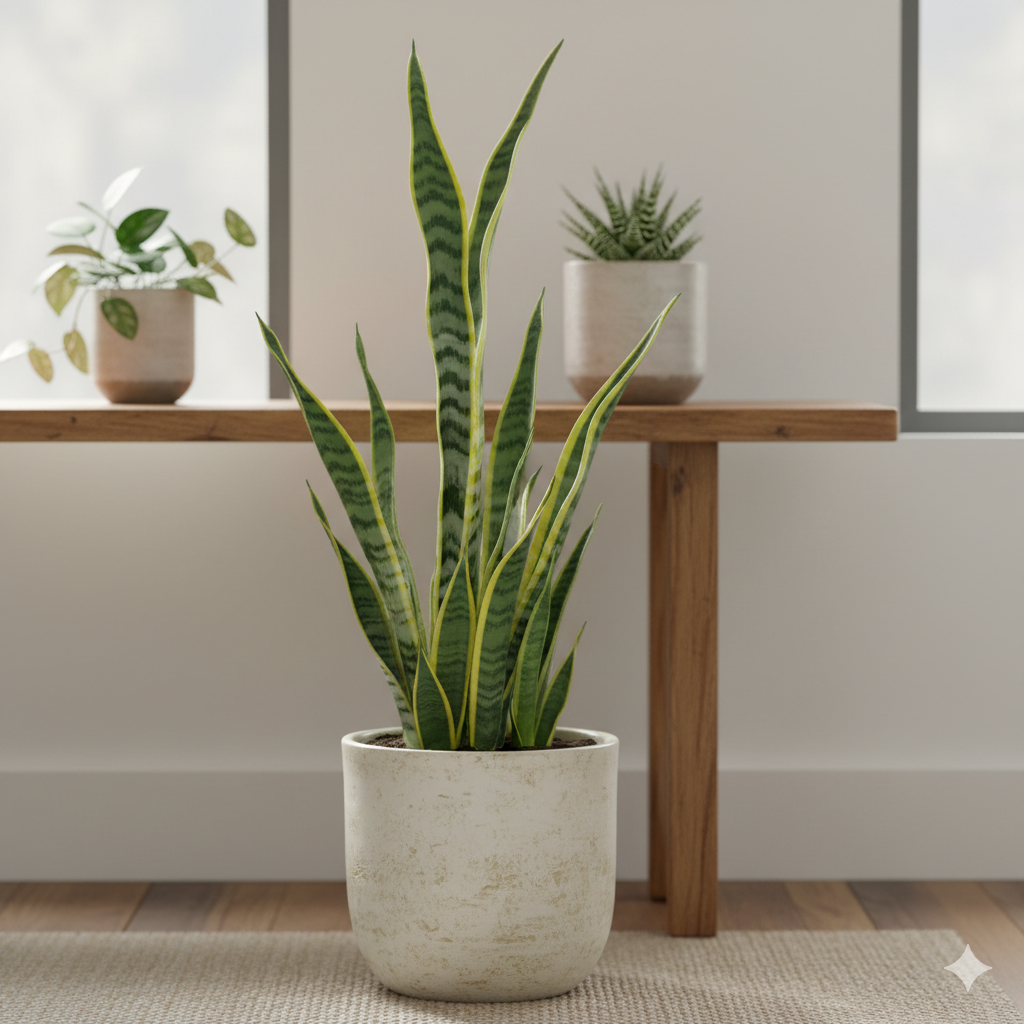
Snake plants (Sansevieria spp.), also known as mother-in-law’s tongue, have gained immense popularity among indoor plant enthusiasts for their architectural beauty, low maintenance, and air-purifying qualities. With upright, sword-like leaves and striking patterns, they add both greenery and elegance to homes and offices. One of the most common questions among new and experienced plant owners is: How much sunlight does a snake plant really need indoors? Understanding their light requirements is essential for maintaining healthy growth and longevity.
Understanding Snake Plant Light Preferences
Native to West Africa, snake plants naturally grow in tropical and semi-arid regions where sunlight can vary from direct to partial shade. This adaptability makes them highly resilient and capable of surviving in a wide range of light conditions. While snake plants are known for tolerating low light, they grow best and maintain optimal leaf coloration under moderate indirect light.
Ideal Light Conditions
-
Bright, Indirect Light: Snake plants thrive in bright, filtered sunlight. A location near a north- or east-facing window is ideal, as it provides gentle morning sunlight without the risk of leaf burn. Bright indirect light encourages steady growth and enhances the leaves’ natural variegation.
-
Low Light Tolerance: One of the reasons snake plants are ideal for beginners is their ability to survive in low-light environments. Rooms with limited natural light, hallways, or corners away from windows can sustain snake plants, although growth may be slower, and leaf patterns may become muted.
-
Avoid Direct Sunlight: Prolonged exposure to harsh, direct sunlight—especially from south- or west-facing windows—can scorch the leaves, causing yellow or brown patches. Young or newly planted snake plants are particularly sensitive to intense sun.
Signs Your Snake Plant’s Light Is Off
Monitoring your plant can help you adjust its location for the best results:
-
Too Little Light: Growth slows down, and the leaves may lose vibrant color or become elongated and floppy as the plant stretches toward available light.
-
Too Much Light: Leaves may develop yellow or brown spots, and the tips can become dry or crispy. Excessive light stresses the plant and reduces its aesthetic appeal.
Tips for Providing Optimal Sunlight
-
Use Sheer Curtains or Blinds: If your snake plant is near a window with strong sunlight, filter the light with a curtain or blind to prevent leaf damage.
-
Rotate the Plant: Turn the pot every few weeks so all sides of the plant receive even light, promoting balanced growth.
-
Supplement with Artificial Light: In rooms with minimal natural sunlight or during winter months, fluorescent or LED grow lights can provide the light your snake plant needs. Typically, 12–14 hours of indirect artificial light per day is sufficient for healthy growth.
-
Gradual Adjustments: When moving a plant from low light to brighter conditions, do so gradually to prevent shock or sunburn.
Additional Factors Affecting Growth
Light is a critical factor, but other environmental aspects also influence the health of indoor snake plants:
-
Watering: Light affects soil drying rates. Plants in brighter areas may need more frequent watering, while those in low light require less. Overwatering in dim light can lead to root rot.
-
Temperature: Snake plants prefer moderate indoor temperatures, typically between 65°F and 80°F (18°C–27°C). Avoid placing them near cold drafts or heat vents.
-
Humidity: While snake plants tolerate dry air, extremely low humidity can slightly affect leaf texture. Regular indoor conditions are generally sufficient.
Encouraging Growth and Health
Although snake plants can survive in low light, moderate indirect sunlight promotes more vigorous growth, stronger stems, and fuller leaf clusters. Combining proper light with occasional fertilization during the growing season encourages lush growth and maintains vibrant leaf patterns.
Benefits of Light Optimization
Providing the right light conditions offers several benefits:
-
Stronger, Upright Leaves: Proper light ensures the leaves maintain their characteristic upright posture and robust structure.
-
Vibrant Colors: Variegated snake plant varieties display more pronounced patterns and brighter hues when exposed to adequate indirect light.
-
Healthy Root System: Balanced light encourages steady root development, reducing the risk of rot or other soil-related issues.
-
Minimal Maintenance: Plants that receive proper light are more resilient and less prone to pests or stress.
Conclusion
Snake plants are versatile, hardy indoor plants capable of surviving in a range of lighting conditions. However, for optimal growth, health, and leaf coloration, bright indirect light is preferred. While low-light areas are suitable for survival, they may slow growth and reduce aesthetic appeal. Avoid harsh, direct sunlight to prevent leaf scorch. By carefully positioning your snake plant, monitoring its response, and supplementing with artificial light when necessary, you can enjoy a thriving, elegant, and resilient plant that brightens your indoor space for years.