
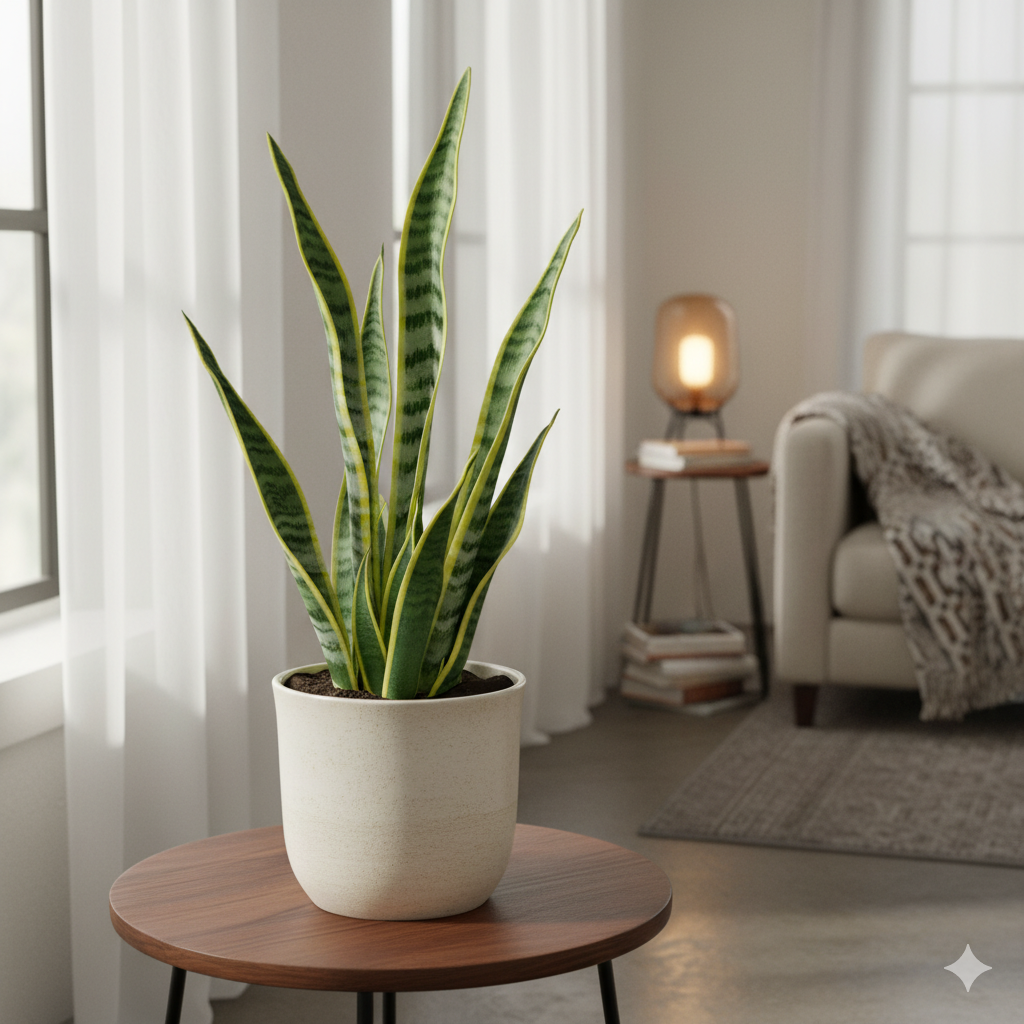
The Snake Plant (Sansevieria, also called Dracaena trifasciata) has become one of the most popular houseplants across the globe. Known for its upright, sword-like leaves and striking variegation, it is as hardy as it is beautiful. Gardeners and interior decorators alike love it because it tolerates neglect, adapts to many conditions, and thrives where other plants struggle. One of the most common questions, however, is about light: Does the Snake Plant prefer low light, or does it grow better in bright light?
Understanding its light requirements will help you decide the perfect spot for this resilient plant in your home or office.
Natural Habitat of Snake Plants
The Snake Plant is native to parts of West Africa, where it grows in dry, rocky environments. In its natural setting, it experiences bright, indirect light under taller vegetation, but it is also accustomed to occasional direct sun and long stretches of shade. This adaptability explains why the plant can survive in both bright windows and dim corners indoors.
Snake Plants in Bright Light
If your goal is faster growth and stronger variegation, bright light is best. A Snake Plant placed near a sunny window (north- or east-facing, or slightly back from a south- or west-facing one) typically thrives.
Benefits of bright light for Snake Plants include:
-
Faster Growth: Plants in bright conditions put out new leaves more quickly.
-
Vibrant Variegation: Bright light enhances the yellow or silvery patterns on the leaves.
-
Stronger Structure: Leaves are sturdier and stand taller when grown with adequate light.
-
Occasional Blooms: While rare indoors, Snake Plants exposed to consistent bright light sometimes produce tall stalks of fragrant white flowers.
Caution: Avoid prolonged direct, harsh sun—especially through uncovered windows—as this can cause leaf scorch, leaving brown patches or faded streaks.
Snake Plants in Low Light
One of the Snake Plant’s most famous qualities is its ability to survive in low light. This makes it a top choice for offices, hallways, or rooms with minimal natural light.
In low light conditions:
-
Growth slows significantly, sometimes to just one or two new leaves per year.
-
Leaves may appear darker green and less variegated.
-
The plant remains alive and healthy, but it functions more as a static decorative element than an actively growing specimen.
Snake Plants can survive for years in low light with minimal care. However, they won’t achieve their full potential or produce flowers in such conditions.
Signs of Light Stress
Even though the Snake Plant is forgiving, it will show signs if its lighting is far from ideal:
-
Too Little Light: Leaves may droop, lose variegation, or stop producing new growth.
-
Too Much Direct Sun: Scorched patches, crispy tips, or faded colors may appear.
-
Perfect Balance: Upright, firm leaves with strong patterns and steady growth.
By watching these signals, you can adjust placement until your plant finds the right balance.
Artificial Light Options
For homes or offices without suitable natural light, Snake Plants adapt well to artificial lighting. They tolerate fluorescent office lights and also respond positively to LED grow lights. Positioning them about 12–18 inches from a light source for 8–12 hours a day can mimic medium-to-bright indirect sunlight, promoting healthier growth than low-light corners.
Best Placement Ideas
The versatility of Snake Plants makes them suitable for almost any location:
-
Living Room: Near a bright window, where it adds structure and air-purifying benefits.
-
Bedroom: In moderate light areas, providing greenery without demanding much care.
-
Office: Thrives under fluorescent lights or near windows with filtered sun.
-
Hallways or Entryways: Tolerates dim spots but expect slower growth.
Snake Plants also handle seasonal changes well, adapting to brighter summer light and dimmer winter conditions without stress.
Final Thoughts
So, should a Snake Plant be placed in low light or bright light? The answer depends on your goals.
-
If you want a low-maintenance decorative plant that survives in almost any corner, low light is acceptable.
-
If you want faster growth, richer colors, and the chance of blooms, bright, indirect light is ideal.
The Snake Plant’s adaptability is what makes it special. Unlike many houseplants that demand specific conditions, it adjusts gracefully to whatever environment you provide. Whether it’s brightening up a sunny living room or adding life to a dim office, the Snake Plant remains one of the most reliable, forgiving, and stylish choices for indoor greenery.
With the right balance of light, your Snake Plant will reward you with years of beauty, resilience, and low-effort charm.