
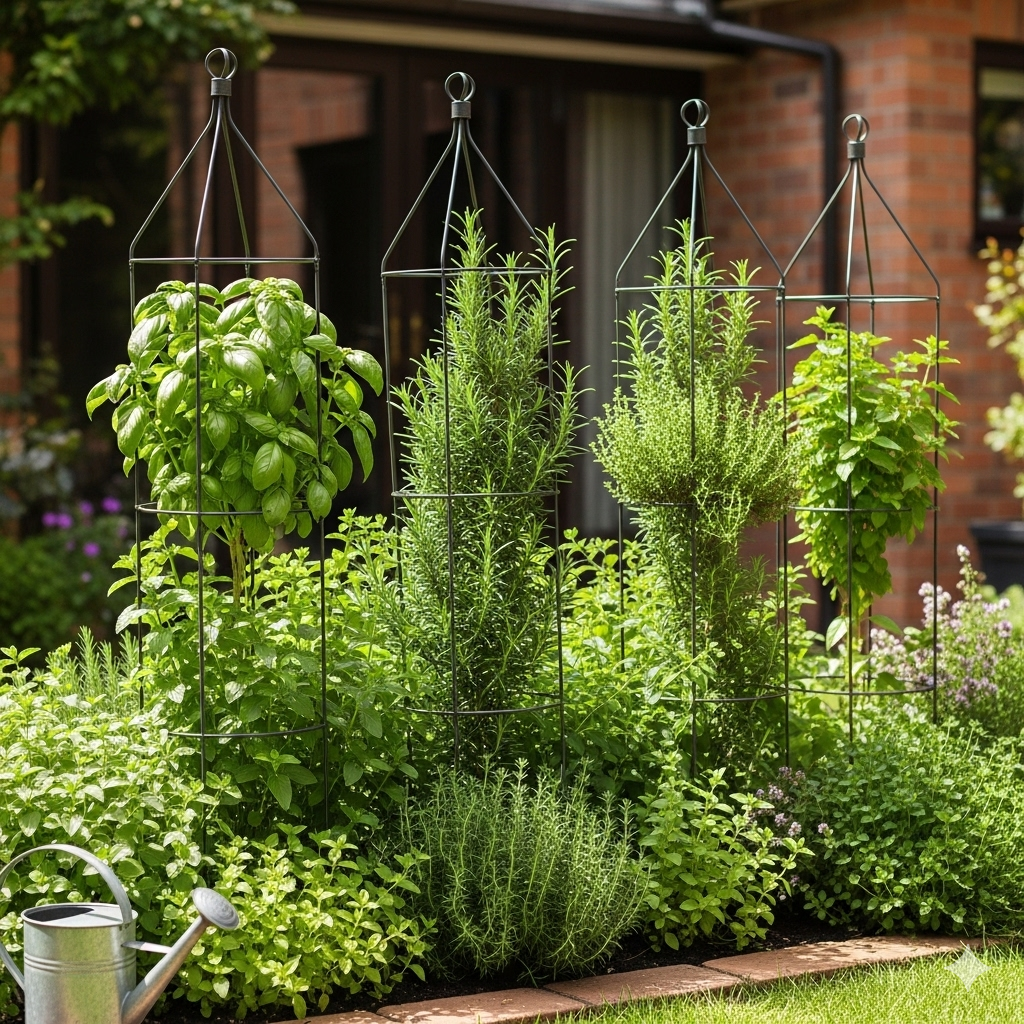
Herbs like oregano and thyme are staples in kitchens around the world, offering bold flavors, fragrant aromas, and numerous culinary uses. While these herbs are naturally low-growing, providing vertical support can optimize their growth, improve air circulation, and create a visually appealing indoor or outdoor garden. Metal cages are a simple yet effective tool for training oregano and thyme upward, ensuring healthier plants and more abundant harvests.
Why Support Matters for Oregano and Thyme
Though oregano and thyme are typically considered low-maintenance, sprawling growth can create challenges. Uncontrolled spreading may lead to:
-
Crowded plants: Dense growth can reduce airflow, increasing the risk of fungal diseases.
-
Difficulty harvesting: Tangled stems make it harder to snip leaves efficiently without damaging the plant.
-
Weaker plants: Ground-level growth may be more susceptible to soil-borne pathogens or accidental crushing.
Using metal cages allows stems to grow vertically, keeping foliage elevated and organized, improving plant health, and simplifying maintenance.
Advantages of Metal Cages
Metal cages are ideal for supporting oregano and thyme for several reasons:
-
Durability: Made from steel or coated wire, metal cages can withstand weather conditions, sunlight, and repeated use.
-
Lightweight yet sturdy: Despite their strength, metal cages are easy to move and reposition as needed.
-
Versatile design: Available in various shapes and sizes, cages can accommodate single plants, herb clusters, or mixed herb gardens.
-
Ease of training: Vertical cages provide multiple points to secure stems, guiding growth upward without restricting development.
Selecting the Right Metal Cage
When choosing a cage for oregano or thyme, consider these factors:
-
Size: Since these herbs are compact, a cage about 12–18 inches tall and 10–12 inches in diameter is usually sufficient. Taller cages are ideal if you want to encourage more upright growth or contain vigorous varieties.
-
Material: Galvanized steel or powder-coated metal resists rust and ensures longevity. Avoid cages with sharp edges that could damage tender stems.
-
Shape: Cylindrical cages work well for individual plants, while square or rectangular designs are better for grouped plantings in containers or garden beds.
Installing the Metal Cage
Setting up a metal cage for oregano or thyme is straightforward:
-
Prepare the Plant: If planting in soil, make sure the herb is established and healthy. For container-grown herbs, choose a pot that fits comfortably within the cage.
-
Position the Cage: Place the cage over the plant, centering it so the stems have room to grow upward and outward. Ensure the base of the cage is secure in soil or potting mix.
-
Stability: Press the cage lightly into the soil for stability. For outdoor beds, stakes or anchors may be added to prevent tipping during wind or heavy rain.
Training Herbs on the Cage
Training oregano and thyme upward helps maximize vertical space and encourages strong, compact growth:
-
Initial Guidance: When stems are young, gently weave them through the cage’s openings. This helps direct growth along the cage framework.
-
Securing Stems: Use soft plant ties or twist-ties to attach sprawling stems to the cage. Avoid tight knots that can damage tender stems.
-
Pruning: Regularly pinch or trim the tips of oregano and thyme to encourage bushier growth and prevent legginess. Training along the cage allows selective pruning without affecting overall structure.
-
Harvesting: Elevated stems make it easier to snip leaves as needed, minimizing disturbance to surrounding foliage.
Benefits Beyond Vertical Growth
Using metal cages provides multiple benefits beyond simple support:
-
Improved Airflow: Vertical orientation allows better circulation around leaves, reducing fungal infections and pest infestations.
-
Space Efficiency: Vertical growth conserves horizontal space, enabling more plants in containers, window sills, or small garden beds.
-
Enhanced Aesthetics: Caged herbs add structure and height to an herb garden, creating an organized and visually pleasing layout.
-
Simplified Maintenance: Vertical herbs are easier to water, inspect for pests, and manage overall.
Maintenance Tips
To keep oregano and thyme thriving on a metal cage:
-
Monitor ties and reposition stems as the plant grows.
-
Inspect the cage for rust or bending and address promptly.
-
Trim old, woody stems to encourage fresh growth.
-
Water consistently, keeping soil slightly moist but not waterlogged.
-
Fertilize sparingly; herbs prefer lean soil and too much fertilizer can reduce flavor intensity.
Conclusion
Metal cages are an effective and attractive solution for supporting oregano and thyme, promoting vertical growth, healthier plants, and simplified harvesting. By providing a sturdy framework, cages help manage sprawling stems, enhance air circulation, and create a neat, organized herb garden. Whether used indoors on a windowsill, in containers on a balcony, or in an outdoor bed, metal cages offer a practical, long-lasting support system that maximizes both the health and aesthetic appeal of your herbs. For gardeners seeking productive, visually appealing oregano and thyme plants, training them upward with metal cages is an easy and rewarding strategy.